FEMI SAMSON INSTITUTE OF AI & BIOMEDICAL RESEARCH
Building intelligence for a healthier future.
FSI-AIBR develops AI-powered biomedical and public-health intelligence systems that transform complex health, climate and biological data into prediction and decision support starting with malaria in Nigeria.
SIGNAL → SCIENCE → INTELLIGENCE → ACTION
ABOUT FSI-AIBR
Where biomedical science meets artificial intelligence.
FSI-AIBR is an independent African research institute building intelligence systems for public health bringing together field epidemiology, spatial modelling and agentic AI around real disease-surveillance problems.
Science
Biomedical & public-health research
Field epidemiology and physiological science grounded in real surveillance data, not simulated scenarios.
Data
Health, climate & scientific datasets
DHS/MIS biomarker surveys integrated with multi-decade CHIRPS-NDVI climate and remote-sensing records.
Intelligence
AI, analytics & decision support
Machine learning and explainability methods that turn integrated data into spatial and temporal risk intelligence.
WHO WE ARE
An independent African research institute — not a consultancy or a startup — working at the intersection of field epidemiology, spatial modelling, malaria surveillance and agentic AI.
WHY WE EXIST
Public-health decisions in Nigeria and across Sub-Saharan Africa deserve intelligence systems built from the region's own data, not adapted from elsewhere after the fact.
WHAT WE BUILD
Disease-intelligence platforms, physiological AI research tools, and the data infrastructure that connects surveillance, climate and biomedical signal into decision support.
INSTITUTIONAL ROADMAP
Where FSI-AIBR is in its own build-out.
Stages, not dates — each one reflects where the institute's work actually stands today.
Foundation
Established
Institute formed; initial research direction and leadership in place.
Research
Underway
Malaria digital-twin methodology, preprint and physiology research active.
Platform
Underway
Migrating research prototypes from Streamlit into reusable web infrastructure.
Network
Underway
Partnerships including the Physiological Society of Nigeria collaboration.
Scale
Upcoming
Expansion across additional disease domains and research partners.
OUR PEOPLE
Who's behind FSI-AIBR.
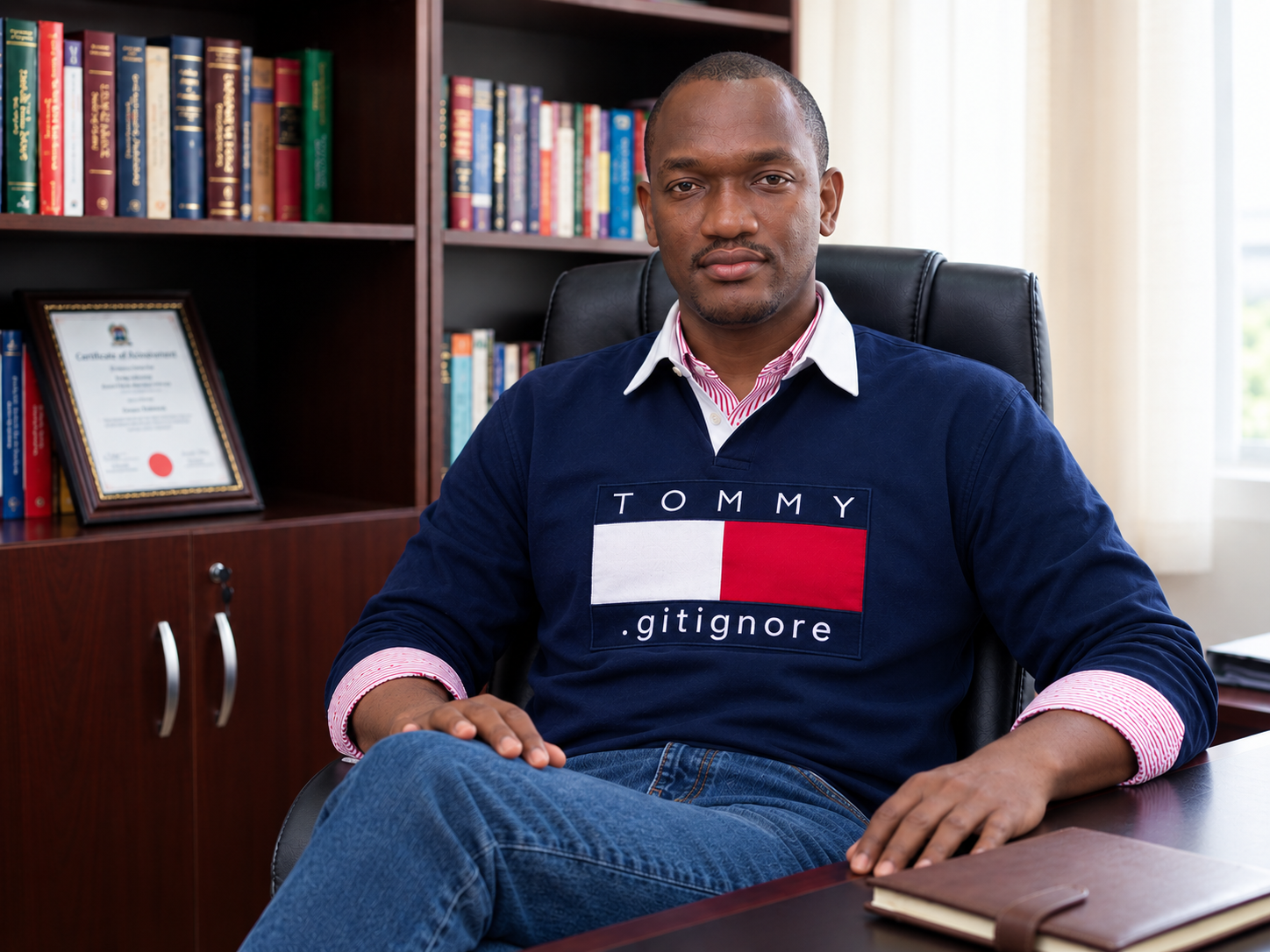
Daniel Onimisi
FOUNDER & EXECUTIVE DIRECTOR · FIMC, CMC, CMS
Works at the intersection of field epidemiology, spatial modelling, malaria surveillance and agentic AI for public-health decision intelligence.
FSI-AIBR is early-stage hence this section will grow as the institute's research staff, fellows and collaborators expand. We list people here as their roles are confirmed, not before.
RESEARCH
Six domains, one question: what can data reveal about health before a crisis begins?
02
Disease Intelligence
Surveillance, risk prediction and early-warning systems — spanning the Malaria Digital Twin and EPIDEXA.
Explore →03
Environmental Health
How climate and ecological conditions shape disease risk across Nigeria's 774 LGAs.
Explore →04
Digital Health
Data systems and dashboards that make population-health information usable by decision-makers.
Explore →05
Agentic Research
AI agents that collaborate across literature, data and analysis as part of the research process.
Explore →06
Geospatial Intelligence
Spatial modelling and remote sensing to understand where and when health risk concentrates.
Explore →FLAGSHIP INTELLIGENCE SYSTEM
Nigeria Malaria Digital Twin
A Random Forest and SHAP-based disease-intelligence platform integrating decades of climate signal with biomarker surveillance to explore malaria risk across every Nigerian LGA.
PILOT · LIVE ON STREAMLITTHE INTELLIGENCE LAB
FSI-AIBR's projects, as one connected research ecosystem.
Hover, tap, or tab through the nodes to see what each project is, what it runs on, and where it stands.
Select a node
Hover, tap, or focus a node in the network to see the project behind it.
AGENTIC RESEARCH
AI agents as part of the research team, not a replacement for it.
PhysioLab's research pipeline — literature through to a human physiologist who retains scientific judgment and final approval.
PhysioLab is in development, built for a Physiological Society of Nigeria presentation — not yet an operational system.
PHYSIOLAB AI
The future of physiology is computational.
AI doesn't replace physiology, it gives the discipline new instruments: digital biomarkers, physiological modelling, and agentic research pipelines that let physiologists ask bigger questions of their data.
"How does repeated heat exposure shift the balance between skin blood flow and muscle or cardiac blood flow and where does that balance become cardiovascular risk?"
The research question behind PhysioLab's first demonstration, built for the FSI-AIBR × Physiological Society of Nigeria partnership.
RESEARCH IN MOTION
Research stories
CLIMATE & HEALTH
When climate signals become health signals
How three decades of rainfall and vegetation data feed a malaria risk model.
DISEASE INTELLIGENCE
What a malaria digital twin can tell us about early warning
Inside the Random Forest model behind Nigeria's LGA-level risk estimates.
AGENTIC AI
Can AI become part of the biomedical research team?
What PhysioLab's agent pipeline is designed to do — and what it isn't.
METHODOLOGY
From data to decisions.
Every FSI-AIBR system follows the same discipline: know what the data can and can't say before turning it into a recommendation.
Scientific integrity
Evidence before claims.
Human oversight
AI supports judgment, never replaces it.
Transparency
Methods and assumptions are documented.
Privacy
Health data is protected by design.
PROGRAMS
Who we're developing.
SPARTAN Applied Intelligence Fellowship
FSI-AIBR's applied-AI training program, from Python foundations through applied engineering thinking.
Physiology Hub
A capacity-building partnership with the Physiological Society of Nigeria and SPAN.
Fellowships
Research and technology fellowships under FSI-AIBR.
Student programs
Early exposure to applied research and technology.
PARTNERSHIPS
Who can build with us.
Research partners
Universities and research institutions.
Public health partners
Government agencies and health organisations.
Technology partners
AI, cloud, data and infrastructure organisations.
Corporate partners
Organisations investing in health intelligence.
Training partners
Institutions developing biomedical and AI talent.
PUBLICATIONS
Selected research output.
START A RESEARCH CONVERSATION